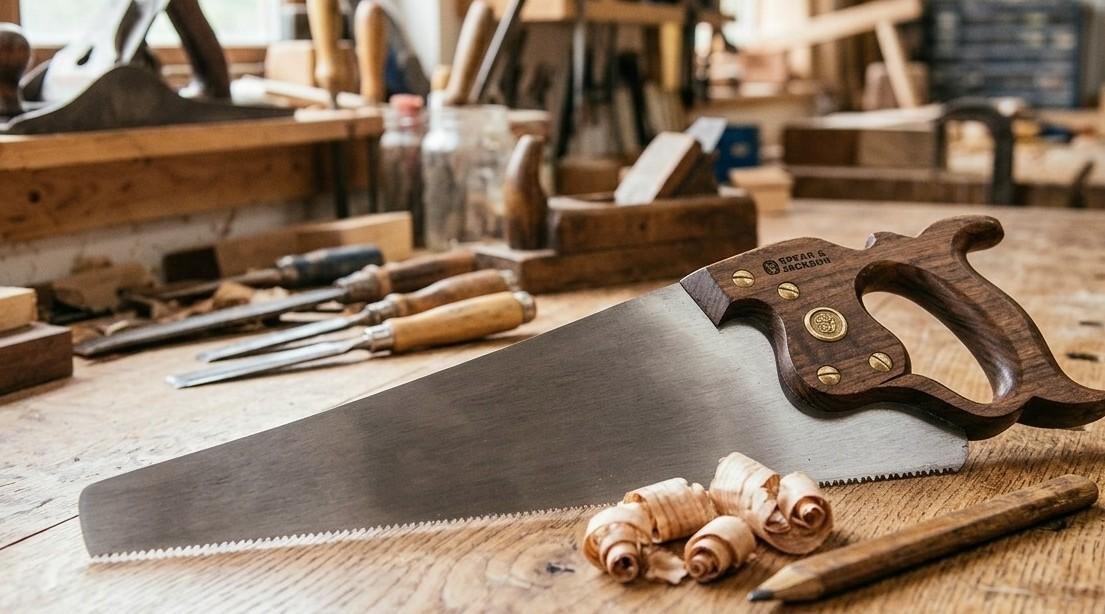
A hand saw for woodworking remains one of the most essential tools in every workshop, whether you are a professional carpenter, cabinet maker, or DIY enthusiast. While power tools offer speed, hand saws provide greater control, cleaner cuts, and the flexibility to work without electricity.
Choosing the right woodworking hand saw can significantly improve cutting accuracy, reduce material waste, and make projects easier to complete. From rough lumber cutting to fine joinery, each saw is designed for a specific purpose.
This guide explains the most common types of hand saws, their applications, and how to select the best option for your woodworking needs.
Why Hand Saws Are Still Essential for Woodworking
Despite the popularity of power tools, hand saws continue to play an important role in woodworking because they offer:
- Greater cutting precision
- Better control for delicate work
- Quiet operation
- No electricity required
- Lower maintenance costs
- Easy portability for on-site work
Whether you’re building furniture, trimming timber, or making detailed joints, a quality hand saw delivers reliable performance.
Common Types of Hand Saws for Woodworking
Different woodworking tasks require different saw designs. Understanding each type helps you make the right investment.
Crosscut Saw
A crosscut hand saw is designed to cut across the wood grain.
Its knife-like teeth slice wood fibers cleanly, producing smoother finishes with less splintering.
Best for:
- Cutting boards to length
- Furniture making
- General woodworking
- Trim work
Rip Saw
A rip saw cuts parallel to the wood grain.
Its chisel-shaped teeth remove wood quickly, making it ideal for breaking down lumber.
Best for:
- Cutting hardwood planks
- Resizing timber
- Framing projects
Panel Saw
Panel saws are shorter than traditional hand saws, making them easier to control.
They work well in confined spaces and for smaller woodworking jobs.
Ideal applications include:
- Home repairs
- Cabinet work
- Small DIY projects
Back Saw
A back saw features a reinforced spine that prevents blade flexing.
This allows extremely accurate straight cuts required for fine woodworking.
Common back saw variations include:
- Tenon saw
- Dovetail saw
- Carcass saw
These are widely used in furniture manufacturing and joinery.
Coping Saw
A coping saw has a thin replaceable blade held in a metal frame.
It is designed for intricate curved cuts that larger saws cannot achieve.
Typical uses include:
- Decorative woodwork
- Curved moldings
- Craft projects
- Internal cut-outs
Understanding Hand Saw Teeth
One of the most important factors when selecting a woodworking saw is its tooth design.
| Teeth Per Inch (TPI) | Best Use | Cutting Speed |
| 5-7 TPI | Fast rough cuts | Very Fast |
| 8-10 TPI | General woodworking | Balanced |
| 11-14 TPI | Fine finish work | Slower but cleaner |
| 15+ TPI | Precision joinery | Maximum accuracy |
Higher TPI produces smoother finishes, while lower TPI removes material faster.
Choosing the Right Hand Saw
Selecting the best woodworking saw depends on several factors.
Consider the Material
Softwoods like pine require fewer teeth for faster cutting.
Hardwoods such as oak, maple, or walnut often benefit from finer tooth patterns for smoother finishes.
Match the Saw to the Cut
Ask yourself what type of cut you’ll make most often.
- Cross-grain cuts require crosscut saws.
- Along-the-grain cuts need rip saws.
- Curves require coping saws.
- Precision joints benefit from back saws.
Using the correct saw improves efficiency and reduces effort.
Blade Length
Longer blades generally cut faster because each stroke removes more material.
Typical sizes include:
- 12 to 16 inches for detailed work
- 18 to 22 inches for general woodworking
- 24 to 26 inches for larger timber
Handle Comfort
A comfortable ergonomic handle reduces hand fatigue during extended use.
Wooden and rubber-coated handles both offer good grip, depending on personal preference.
Blade Quality
Look for blades made from hardened high-carbon steel or premium alloy steel.
Quality blades:
- Stay sharper longer
- Resist bending
- Produce cleaner cuts
- Require less maintenance
Purchasing from a reputable cutting tools supplier Dubai helps ensure you receive durable, high-quality hand saws designed for consistent woodworking performance.
Hand Saw Maintenance Tips
Proper maintenance extends the life of your woodworking tools.
Follow these simple practices:
- Clean saw blades after every use.
- Remove resin and sawdust buildup.
- Store in a dry environment.
- Apply light oil to prevent rust.
- Protect the teeth with a blade guard.
- Sharpen traditional blades when necessary.
Well-maintained saws deliver smoother cuts while reducing user effort.
Common Woodworking Projects That Require Hand Saws
A quality woodworking hand saw is suitable for countless applications.
Popular uses include:
- Building wooden furniture
- Installing shelves
- Door trimming
- Cabinet making
- Deck construction
- Flooring installation
- Craft woodworking
- Home renovation
- Timber framing
- Garden woodworking projects
Many professionals also combine hand saws with other hand tools to achieve greater accuracy during finishing work.
Safety Tips When Using a Hand Saw
Although hand saws are safer than many power tools, proper technique remains important.
Always remember to:
- Secure the workpiece before cutting.
- Wear safety glasses.
- Keep both hands away from the cutting path.
- Start each cut slowly.
- Use long, even strokes.
- Let the saw do the work without excessive force.
- Inspect the blade before use.
Following these practices improves both safety and cutting accuracy.
Hand Saw vs Power Saw
When should you choose a hand saw instead of a power saw? Both tools have their place in woodworking. While power saws are ideal for fast, repetitive cuts, a hand saw offers greater control and precision for detailed work, joinery, and situations where electricity isn’t available.
| Feature | Hand Saw | Power Saw |
| Precision | Excellent | Good |
| Speed | Moderate | Very Fast |
| Portability | Excellent | Limited by power source |
| Noise | Silent | Loud |
| Maintenance | Low | Moderate to High |
| Cost | Affordable | Higher |
| Best For | Fine woodworking, DIY, repairs | Large-scale cutting |
For many woodworking professionals, both tools complement each other rather than compete.
Final Thoughts
Choosing the right hand saw for woodworking can make every project safer, more accurate, and more efficient. Whether you need a crosscut saw for clean cross-grain cuts, a rip saw for cutting along the grain, or a back saw for precision joinery, selecting the appropriate tool ensures better results and longer tool life.
For professionals and DIY enthusiasts looking for dependable woodworking tools, Al Zafeer Building Materials LLC supplies quality products that meet the demands of construction, carpentry, and maintenance projects. If you need help selecting the right hand saw for your project, contact our team for expert guidance and product recommendations.
Expert Guides for Tools, Fittings & Workshops
Explore in-depth guides on hand tools, cutting tools, hinges, and bathroom fittings to make informed decisions for your workshop or projects in Dubai.
- Self‑Drilling Screws Guide: Types, Uses & Buying Tips: Master every project with the right self‑drilling screws
- Everything You Need to Know About Aluminium Profiles: Your complete guide to choosing and using Aluminium Profiles.
- What to Look for When Choosing the Best Branded Tape: Smart tips to pick quality, durability, and precision with confidence.
- The Ultimate Guide to Sanitary Ware for Modern Bathrooms: Everything you need to choose stylish, functional bathroom essentials.
- Drawer Slide Types and How to Choose the Right One: Smooth motion starts with the right slide choice.