
In modern industrial and architectural projects, aluminium profiles are indispensable. They are versatile, lightweight, and corrosion-resistant components used to create machine frames, workstations, and structural frameworks.
Understanding their types, benefits, and applications is crucial for businesses looking to enhance efficiency and durability.
Whether you are designing industrial automation systems, custom workbenches, or architectural installations, knowing the strengths of aluminium profiles ensures optimal performance and long-term reliability.
Why Aluminium Profiles Are Essential in Industry
Aluminium profiles offer a unique combination of strength, modularity, and lightweight construction. Unlike steel, aluminium provides a high strength-to-weight ratio, making it easier to handle while maintaining structural integrity.
Their corrosion resistance also ensures longevity in humid or coastal environments, making aluminium the preferred choice for UAE industrial and architectural applications.
Understanding Different Types of Aluminium Profiles
Aluminium profiles come in various shapes and configurations to suit diverse industrial needs:
1. T-Slot Profiles
T-slot profiles allow modular assembly of frames and workstations using standard connectors. Technicians can extend or reconfigure layouts efficiently without welding.
2. L-Shaped and U-Shaped Profiles
L-Angle & U-Shaped profiles provide corner reinforcement, support beams, or edge protection. They are commonly used in machine frames and conveyor systems.
3. Custom Extruded Profiles
Custom profiles are manufactured using extrusion dies to create unique cross-sections for specialized machinery, laboratory setups, or architectural features.
4. Hollow and Solid Profiles
Hollow profiles reduce weight without compromising strength, while solid profiles are ideal for high-load structural elements in construction and heavy machinery. Using the right profile type ensures structural stability and ease of installation, saving time and costs in industrial projects.
Key Advantages of Aluminium Profiles
The benefits of aluminium profiles go beyond strength and modularity. Industry professionals choose them for:
- Lightweight yet strong construction: Aluminium profiles offer a high strength-to-weight ratio, reducing overall structural load. This allows for easier handling and installation without compromising safety or stability.
- Corrosion and weather resistance: Naturally forming a protective oxide layer, aluminium resists corrosion, making it ideal for UAE’s coastal and industrial environments where humidity and exposure are common.
- Versatility and modularity: Modular design allows quick assembly of frames, workstations, and conveyor systems. Profiles can be reconfigured or expanded without welding, saving time and labor costs.
- Cost-effectiveness and sustainability: Aluminium is reusable and fully recyclable, lowering lifecycle costs. Its durability and low maintenance make it an economical and environmentally friendly choice for industrial projects.
- Proven real-world efficiency: In a UAE-based packaging plant, engineers replaced heavy steel frames with aluminium profiles. This change reduced assembly time by 30 percent while increasing flexibility for future expansions and adjustments.
Real-World Applications of Aluminium Profiles
Aluminium profiles are used across multiple sectors:
Industrial Automation
Frames, guarding, and machine enclosures are assembled with modular aluminium profiles to allow adjustments and safe operation.
Workstations and Benches
Ergonomic assembly stations benefit from lightweight, customizable frames, reducing worker fatigue and improving productivity.
Architectural and Interior Design
Profiles support partitions, display racks, and decorative frameworks while providing durability and aesthetic appeal.
Conveyor Systems and Material Handling
Aluminium profiles are ideal for conveyors, trolleys, and storage systems due to their strength, light weight, and modularity.
Manufacturing Process and Surface Finishes
Aluminium profiles are created through extrusion, where heated aluminium is forced through a shaped die. The resulting profiles can then be cut to length, machined, or drilled for specific applications.
Surface treatments enhance durability and aesthetics:
- Anodizing – Adds corrosion resistance and a decorative finish.
- Powder coating – Provides a uniform, long-lasting protective layer.
These finishes make aluminium profiles ideal for industrial and architectural use where both performance and appearance matter.
Choosing the Right Aluminium Profile Supplier
Selecting a reliable aluminium profile supplier ensures quality, certification, and technical support. Consider these factors:
1- Profile Types and Customization
A trusted supplier should offer a variety of profiles including T-slot, hollow, solid, and custom extruded profiles. This variety allows you to select the exact shape and strength needed for specific industrial or architectural applications.
2- Compliance and Standards
Ensure the supplier provides profiles that meet ISO certifications and UAE industrial standards. Certified profiles guarantee reliability, safety, and long-term performance in demanding environments.
3- Technical Expertise and Support
A knowledgeable supplier provides guidance on profile selection, assembly, and maintenance. Expert advice reduces installation errors and ensures your aluminium framework is safe, durable, and efficient.
4- Delivery and Stock Availability
Fast and reliable delivery minimizes project downtime. Suppliers with adequate stock and quick turnaround help maintain workflow continuity, especially in large-scale UAE industrial or construction projects.
Maintenance and Best Practices
Aluminium profiles require minimal maintenance, but a few best practices help extend their lifespan:
- Regularly check connections and fasteners for stability.
- Clean with mild detergents to prevent dirt accumulation.
- Inspect for scratches or damage that may compromise protective coatings.
In many UAE factories, maintenance teams schedule routine inspections to maintain assembly line safety and efficiency using modular aluminium frameworks.
FAQs
What are aluminium profiles used for?
Aluminium profiles are used to build modular frames, conveyor systems, workstations, and architectural structures. They provide strength, flexibility, and corrosion resistance for industrial and construction projects.
What is the main advantage of aluminium over steel?
Aluminium offers a high strength-to-weight ratio, making structures lighter without compromising durability. It also resists corrosion, reducing maintenance in harsh environments.
How are aluminium profiles manufactured?
Aluminium profiles are produced through extrusion, where heated aluminium is pushed through shaped dies. After extrusion, they are cut, machined, or finished with anodizing or powder coating for durability.
How do I choose the right aluminium profile supplier?
Select a supplier offering certified products, technical support, and options for T-slot, hollow, solid, or custom profiles.
Conclusion
Choosing high-quality aluminium profiles ensures durability, modularity, and efficiency in industrial and architectural projects. Understanding profile types, surface finishes, and real-world applications helps businesses make informed decisions while saving time and costs.
For businesses in UAE, Al Zafeer Building Materials LLC is a reliable source for certified aluminium profiles, modular frames, and complete industrial solutions. We provide expert guidance, customized products, and technical support to meet your project requirements.
Contact our aluminium profile specialists for expert advice, quality extrusions, and tailored solutions that support your UAE industrial and construction projects.
Discover More Expert Guides
Explore in-depth guides on hand tools, cutting tools, hinges, and bathroom fittings to make informed decisions for your workshop or projects in Dubai.
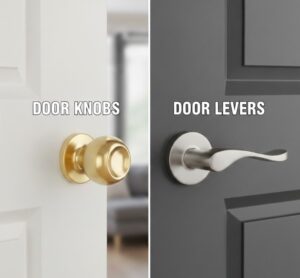
- Door Knobs vs Door Lever: Which Should I Choose: Comparing door knobs and levers to help you pick the ideal style and functionality.
- How to Choose the Best Fittings for Custom Furniture: Expert tips to select durable, stylish, and functional fittings for your custom furniture.
- Lifting Equipment Safety Inspection: A Practical Guide: Ensure compliance, safety, and reliability with every lift.
- 10 Essential Precision Cutting Tools for Every Workshop: Must-have cutting tools to boost accuracy and efficiency in every workshop.
- Step-by-Step Guide to Installing a Drawer Lock: Easy steps to install drawer locks securely and correctly.