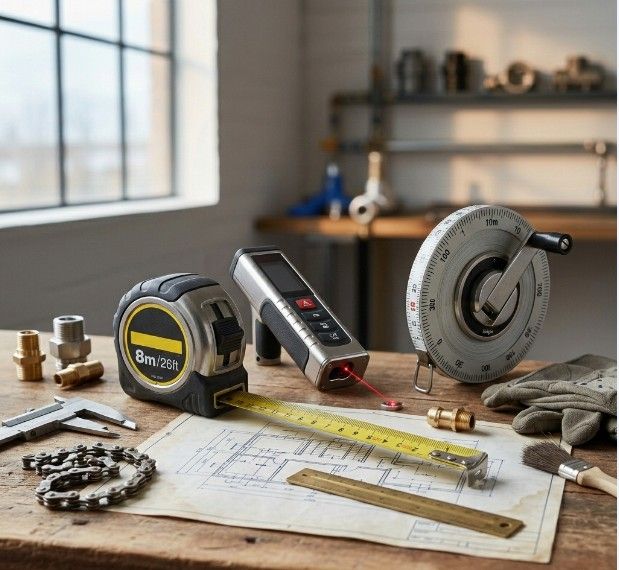
From construction sites to tailoring studios, measuring tapes are essential precision tools that influence project quality, material efficiency, and structural accuracy. Choosing the right one is not just about length but about reliability, build quality, and measurement class.
This guide explains how they work, what determines performance, and how to select the right tape for professional or personal use with expert level clarity.
What Is a Measuring Tape
A measuring tape is a flexible ruler designed to measure distance accurately across straight, curved, or irregular surfaces. Unlike rigid rulers, it retracts into a compact case for portability.
Core components include blade, hook, lock mechanism, case, and printed graduations. Each part directly affects usability, lifespan, and tape measure accuracy in real working conditions.
Types of Measuring Tapes
Understanding the types of measuring tapes helps match the tool to the task. Each design serves a specific measurement environment.
1. Steel Measuring Tape
Steel tapes are known for high precision and long lifespan because they resist stretching and maintain accurate readings over distance.
They are widely used in construction, engineering, and carpentry where measurement accuracy is critical.
2. Fiberglass Measuring Tape
Fiberglass tapes are flexible, lightweight, and resistant to temperature changes and environmental conditions.
Because they do not conduct electricity and resist weather damage, fiberglass measure tapes are preferred for outdoor measurement tasks and surveying
3. Cloth or Linen Tape
Cloth tapes are lightweight and easy to handle, commonly used for rough or flexible measurements.
However, they can shrink with moisture or stretch under tension, making them unsuitable for precision work.
4. Woven Metallic Tape
This type improves upon linen tapes by reinforcing fabric with brass or copper wires for extra durability.
They are typically used for topographical surveys where small measurement errors are acceptable.
Long Survey Tapes
Often 20 to 100 meters, these are used in construction layout and land measurement.
Digital measuring tape
Electronic models use laser technology for instant distance readings and area calculations. They are widely used in engineering and architecture.
Accuracy Classes Explained
Measurement tolerance for measuring tapes is regulated by the European Commission to ensure consistent precision across industries. These standards help professionals select the right tape for their specific tasks.
- Class I
- Highest precision with minimal deviation
- Ideal for engineering, machining, and technical assembly
- Used where every millimeter counts
- Class II
- Standard for construction and trade professionals
- Provides reliable measurements for structural and building work
- Balances accuracy with practicality for daily jobsite use
- Class III
- Suitable for general purpose and household projects
- Offers moderate accuracy for DIY tasks
- Perfect for applications where ultra precision is not critical
Choosing the correct accuracy class ensures your measurements are reliable, prevents costly errors, and matches the tape’s performance to the demands of your project.
Factors That Affect Measurement Precision
Even high quality tapes can produce errors if environmental or mechanical factors interfere.
Key influences include:
- Hook movement calibration
- Blade tension and material stretch resistance
- Temperature expansion in metal blades
- User handling technique
Professionals regularly inspect these variables to maintain consistent results.
Durability Features That Matter
When selecting tools for demanding environments, tape measure durability becomes just as important as accuracy. A wide-blade measuring tape with a strong locking mechanism is built specifically for jobsite conditions.
Important build elements to evaluate:
- Nylon coated blades for scratch resistance
- Shock absorbing rubber cases
- Reinforced hook rivets
- Corrosion resistant coatings
Brands such as Stanley design heavy duty models specifically for construction professionals who rely on long term tool performance.
How to Choose the Right Tape for Your Work
Selecting the best measuring tape depends on your profession, project scale, and precision needs. Professionals typically choose based on measurement range and environment.
Recommended Types by Profession
| Feature | Steel Tape | Fiberglass Tape | Digital Tape |
|---|---|---|---|
| Durability | High | Very high | Medium |
| Flexibility | Low | High | N/A |
| Precision | Very high | High | Extremely high |
| Best Use | Construction | Outdoor measuring | Engineering |
A professional measuring tape should balance durability, accuracy class, and ergonomic design for repeated daily use.
Best Uses for Different Measuring Tapes
Each tape design excels in a specific application range.
Construction and Carpentry
Steel measuring tapes are indispensable on construction sites and in carpentry workshops. A heavy-duty steel measuring tape allows professionals to measure framing, walls, and materials with precision.Their rigid blades and high tape measure accuracy allow professionals to measure framing, walls, and materials precisely. Using the right length and class ensures structural components fit perfectly, reducing material waste and costly mistakes.
Landscaping and Surveying
Fiberglass or long tapes excel in outdoor environments where moisture, temperature, and uneven terrain can affect measurements. Surveyors, landscapers, and civil engineers rely on these tapes for property lines, grading, and large-scale layout projects. Their flexibility and weather resistance make them ideal for repeated long-distance measuring tasks.
Tailoring and Sewing
Cloth measuring tapes are soft and flexible, perfect for body measurements, pattern making, and sewing projects. They prevent fabric damage while accurately mapping curves, contours, and garment dimensions. Designers and home sewers alike benefit from their portability and adaptability to irregular shapes.
DIY and Home Projects
Compact steel or pocket tapes like the measuring tape 0902 are excellent for everyday DIY tasks such as hanging shelves, assembling furniture, or installing fixtures. They are easy to handle, store, and provide sufficient accuracy for household projects without overcomplicating measurements.
Engineering and Precision Work
Specialty tapes like invar or digital laser tapes are used in engineering, machining, and technical assembly where high precision measuring tools are required. These tapes minimize thermal expansion and human error, making them essential for detailed, repeatable measurements in professional environments.
Common Measuring Tape Mistakes
Many measurement errors come from improper technique rather than faulty tools.
Frequent user mistakes include pulling the blade at an angle, ignoring hook looseness, allowing snap back retraction, and measuring with a bent blade. Learning how to read a tape measure properly reduces these errors significantly.
Pro Tips for Accurate Measurements
Several factors can influence the tape measure accuracy, even with high-quality tools. Understanding these helps ensure reliable measurements in real-world applications.
- The Movable Hook
The metal hook at the end of the tape is intentionally loose. This design compensates for the hook’s thickness, sliding inward for “inside” measurements and outward for “outside” measurements, hence ensuring precise readings. - Blade Tension and Material
Steel blades resist stretching better than fabric or cloth, maintaining accuracy over long distances and repeated use. The material choice directly affects reliability in construction and professional tasks. - Temperature Effects
Extreme heat or cold can cause steel tapes to expand or contract slightly, which may affect measurements. Professionals often account for this in critical engineering or surveying projects.
Maintenance and Care Guide
Maintaining a measuring tape properly ensures long-term accuracy and durability. Following best practices prevents costly errors and tool damage.
- Avoid Snap-Back: Allowing the tape to slam into its case can damage the internal mechanism and end hook, reducing accuracy over time.
- Keep Clean: Wipe the blade after each use to remove dirt, dust, or moisture. This prevents rust and preserves legible markings.
- Check the Hook: Periodically inspect the rivet holding the end hook. Tightening it with a screwdriver restores precision if loosened.
- Use Proper Technique: Always keep the blade straight and taut while measuring. This minimizes sagging and ensures the most accurate reading.
Maintenance and Care Guide
Routine maintenance extends tool life and preserves accuracy.
Wipe blades after use to remove dust and moisture. Store tapes in dry environments to prevent corrosion. Inspect hooks regularly and tighten rivets if looseness affects readings.
A well maintained tape lasts years and continues delivering precise measurements.
Feature Comparison Overview
| Feature | Steel Tape | Fiberglass Tape | Digital Tape |
|---|---|---|---|
| Durability | High | Very high | Medium |
| Flexibility | Low | High | N/A |
| Precision | Very high | High | Extremely high |
| Best Use | Construction | Outdoor measuring | Engineering |
Final Buying Insight
Choosing the right tape depends on task type, environment, and required precision level. Professionals prioritize build quality and accuracy class, while homeowners focus on versatility and ease of use.
Understanding these factors ensures you invest in a tool that performs reliably and delivers consistent results across projects.
FAQs
What is the most accurate measuring tape?
Class I tapes are the most accurate and used for precision tasks. They have the lowest tolerance error among all accuracy classes.
How do I read a measuring tape correctly?
Start from the hook edge and follow inch or metric markings carefully. Identify major lines, half marks, and smaller increments for precision.
What does Class II mean on a measuring tape?
Class II indicates professional-grade accuracy suitable for construction work. It balances precision and durability for everyday jobsite measurements.
Which measuring tape is best for construction?
Steel blade tapes are best because they stay rigid and resist stretching. They provide reliable measurements for framing, cutting, and installations.
Conclusion
Choosing the right measuring tape means selecting a tool that aligns with your accuracy needs, work environment, and project type. Understanding measurement classes, materials, durability features, and correct handling techniques ensures consistent results, minimizes errors, and improves overall efficiency across professional and everyday tasks.
Whether you work in construction, tailoring, surveying, engineering, or home improvement, using a reliable measuring tool enhances precision and saves time and materials. For professionals and DIY users alike, Al Zafeer Building Materials LLC is a trusted supplier of high-quality measuring tools, offering durable products, expert guidance, and dependable solutions for accurate results on every project.
Contact our precision measuring tool specialists for expert guidance, product selection support, and reliable solutions tailored to your project needs.
Expert Guides for Tools, Fittings & Workshops.
Explore in-depth guides on hand tools, cutting tools, hinges, and bathroom fittings to make informed decisions for your workshop or projects in Dubai.
- What to Look for When Choosing the Best Branded Tape: Smart tips to pick quality, durability, and precision with confidence.
- The Ultimate Guide to Sanitary Ware for Modern Bathrooms: Everything you need to choose stylish, functional bathroom essentials.
- Everything You Need to Know About Aluminium Profiles: Your complete guide to choosing and using Aluminium Profiles.
- Door Knobs vs Door Lever: Which Should I Choose: Comparing door knobs and levers to help you pick the ideal style and functionality.
- How to Choose the Best Fittings for Custom Furniture: Expert tips to select durable, stylish, and functional fittings for your custom furniture.