A door closer is a small but essential mechanical device used in homes, offices, hospitals, schools, and commercial buildings to automatically close a door after it has been opened. While it may seem simple, a door closer plays an important role in safety, security, energy efficiency, and convenience.
Many people only notice door closers when they stop working properly, but in reality, they are carefully engineered systems designed to control door movement, prevent slamming, and ensure smooth closing every time.
In this guide, you will learn everything about door closers, including their types, key features, working principles, and how to choose the right one for your needs.
What is a Door Closer and How Does It Work?
A door closer is a mechanical or hydraulic device installed at the top, middle, or bottom of a door. Its main job is to control the closing speed and force of a door after it has been opened.
Key Working Mechanism
Most modern door closers use hydraulic fluid and spring tension. Here is how it works:
- When the door is opened, the spring inside the closer compresses
- Hydraulic fluid moves through controlled valves
- When the door is released, the spring pushes the door back to closed position
- The hydraulic system controls speed to avoid slamming
This combination ensures smooth, controlled, and safe door movement.
Why Door Closers Are Important
Door closers are not just convenience tools. They serve multiple functional purposes:
Safety and Protection
- Prevents doors from slamming shut
- Reduces risk of injuries, especially for children and elderly people
Security Control
- Ensures doors are never accidentally left open
- Helps maintain controlled access in commercial spaces
Energy Efficiency
- Keeps air-conditioned or heated air inside rooms
- Reduces electricity costs in offices and buildings
Fire Safety Compliance
- Fire-rated door closers help contain smoke and fire in emergencies
Main Types of Door Closers
Door closers are categorized based on installation method and application. Each type serves different architectural and functional needs.
1. Surface Mounted Door Closers
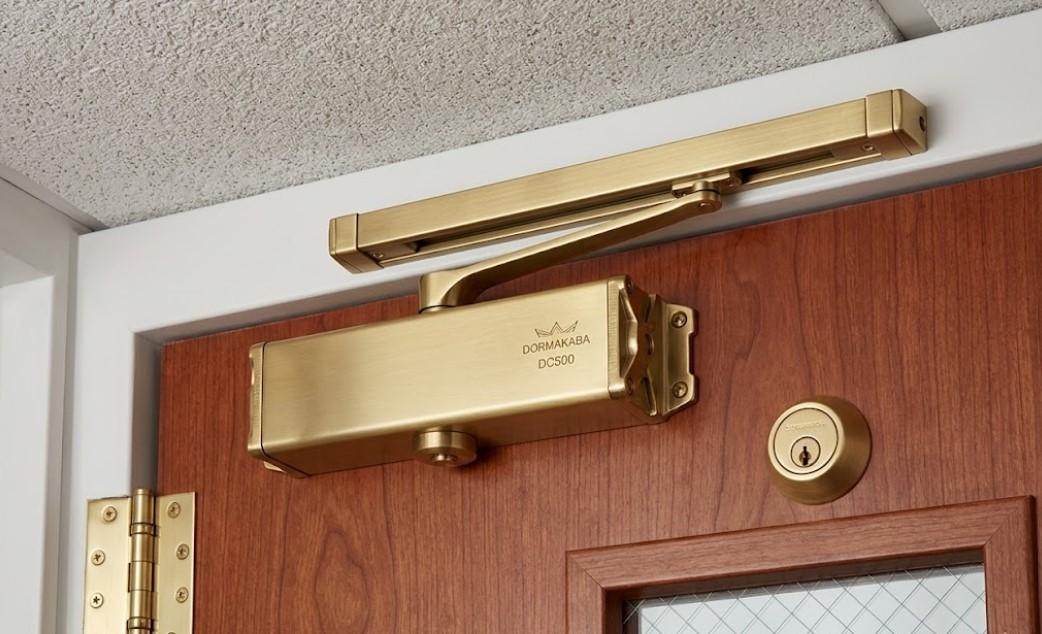
Surface mounted closers are the most commonly used type in commercial and residential buildings.
Features:
- Installed on the surface of the door or frame
- Highly visible but easy to maintain
- Suitable for heavy traffic environments
- Available in different arm styles such as regular arm, parallel arm, and slide track
Best for:
- Offices
- Schools
- Hospitals
- Retail stores
Key Advantage:
It is cost-effective and durable for high-traffic areas.
2. Concealed Door Closers
Concealed door closers are installed inside the door frame, door leaf, or floor, making them invisible when the door is closed.
For projects where aesthetics and finish are equally important, you can choose between premium finishes such as a ZARA door closer in silver or golden (also in black, brown and white) depending on your interior design requirement.
Types
- Overhead concealed closers
- Floor spring closers
- Jamb or frame concealed systems
Features
- Hidden installation for aesthetic appeal
- Common in modern architectural designs
- Requires precise installation
- Often used with glass or premium doors
Best for:
In luxury office buildings and airports, concealed overhead closers are used to maintain a clean glass façade without visible hardware. This improves visual consistency while still meeting fire safety requirements.
Key Advantage:
Maintains aesthetic appeal without visible hardware.
3. Floor Spring Closers
Floor spring closers are installed beneath the floor and are commonly used for heavy glass doors. These systems also work seamlessly when paired with hinges & slides in large door installations to ensure smooth movement and long-term reliability.
Features
- Installed inside the floor cavity
- Supports heavy and double action doors
- Provides strong durability for high traffic entryways
- Almost invisible when installed
Best for:
- Glass doors in malls
- Showrooms
- Commercial entrances
Key Advantage:
Strong support for heavy and frequently used doors.
4. Overhead Concealed Door Closers
These are installed inside the door frame or header, making them almost invisible.
Features:
- Hidden installation
- Smooth closing motion
- Adjustable closing speed
Best for:
- High-end commercial spaces
- Modern architectural designs
Key Advantage:
Combines strength with clean visual design.
5. Automatic and Electromagnetic Door Closers
These advanced systems use electrical control instead of purely mechanical force.
Features
- Connected to access control or fire alarm systems
- Can hold doors open and release automatically in emergencies
- Often used in smart buildings
Best for:
- Smart buildings
- Hospitals
- Industrial facilities
Key Advantage:
High automation and safety integration.
Key Features to Look for in a Door Closer
Modern door closers are evaluated based on performance features that directly affect safety and usability. In large construction and interior projects, these systems are often coordinated with furniture fittings to ensure consistent hardware quality across doors, cabinets, and interior fixtures.
1. Adjustable Closing Speed
Allows control over how fast or slow the door closes. This prevents slamming and reduces wear on door hardware.
2. Latching Speed Control
Controls the final phase of closing to ensure the door fully locks without bouncing back.
3. Backcheck Function
Prevents the door from opening too quickly or too far, protecting walls and hinges from damage.
4. Fire Rating Compliance
In commercial buildings, door closers must ensure doors close automatically during fire conditions. They are often tested under strict fire safety standards.
5. Load Capacity
Door closers are rated based on door size and weight. Heavier doors require stronger hydraulic systems with higher closing force.
6. Durability and Weather Resistance
Exterior door closers must withstand temperature changes, corrosion, and continuous usage. High quality models use sealed hydraulic fluids and corrosion resistant materials.
Common Problems with Door Closers
Even high-quality door closers can develop issues over time.
1. Door Slamming
Usually caused by incorrect speed adjustment or hydraulic leakage.
2. Door Not Closing Fully
May be due to weak spring tension or installation misalignment.
3. Oil Leakage
Indicates internal seal damage and requires replacement.
4. Noisy Operation
Often caused by wear and tear or lack of maintenance.
How to Maintain a Door Closer
Proper maintenance can extend the life of a door closer significantly.
- Regularly check screws and fittings
- Adjust closing speed when needed
- Keep the mechanism clean and dust-free
- Avoid forcing the door open or closed
- Inspect for oil leakage every few months
Simple maintenance can prevent costly replacements.
Real-World Applications of Door Closers
Door closers are widely used across many industries:
- Offices for controlled access and privacy
- Hospitals for hygiene and safety control
- Shopping malls for heavy glass doors
- Hotels for guest comfort and quiet operation
- Industrial buildings for security and airflow control
Each environment requires a different type of door closer based on usage intensity and design needs.
AI Overview
A complete guide to door closers covering types, features, working principles, benefits, and maintenance tips to help you choose the right solution for safety, security, and smooth door operation.
FAQs
What is the purpose of a door closer?
A door closer automatically shuts a door in a controlled way after it is opened. It improves safety, security, and prevents door slamming.
What are the main types of door closers?
The main types include surface-mounted, concealed, floor spring, overhead concealed, and automatic door closers. Each type is used based on door design and usage.
How do I choose the right door closer?
Choose based on door weight, usage frequency, and installation type. Also consider safety requirements like fire rating and closing speed control.
Why is my door closer not working properly?
Common reasons include hydraulic oil leakage, loose fittings, or incorrect adjustment. Regular maintenance and proper installation usually fix these issues.
Conclusion
Door closers are an essential part of modern buildings, ensuring safety, security, energy efficiency, and smooth daily operation. From surface-mounted to concealed and floor spring types, each design serves a specific purpose depending on door weight, usage, and architectural style. Choosing the right door closer and maintaining it properly can significantly improve durability and performance over time.
For reliable supply, expert guidance, and premium-quality door closers and industrial hardware solutions in the UAE, Al Zafeer Building Materials LLC is a trusted partner, delivering high-performance products tailored to your construction and architectural needs.
Contact our door closer hardware experts for product selection, installation guidance, and reliable supply solutions tailored to your project needs